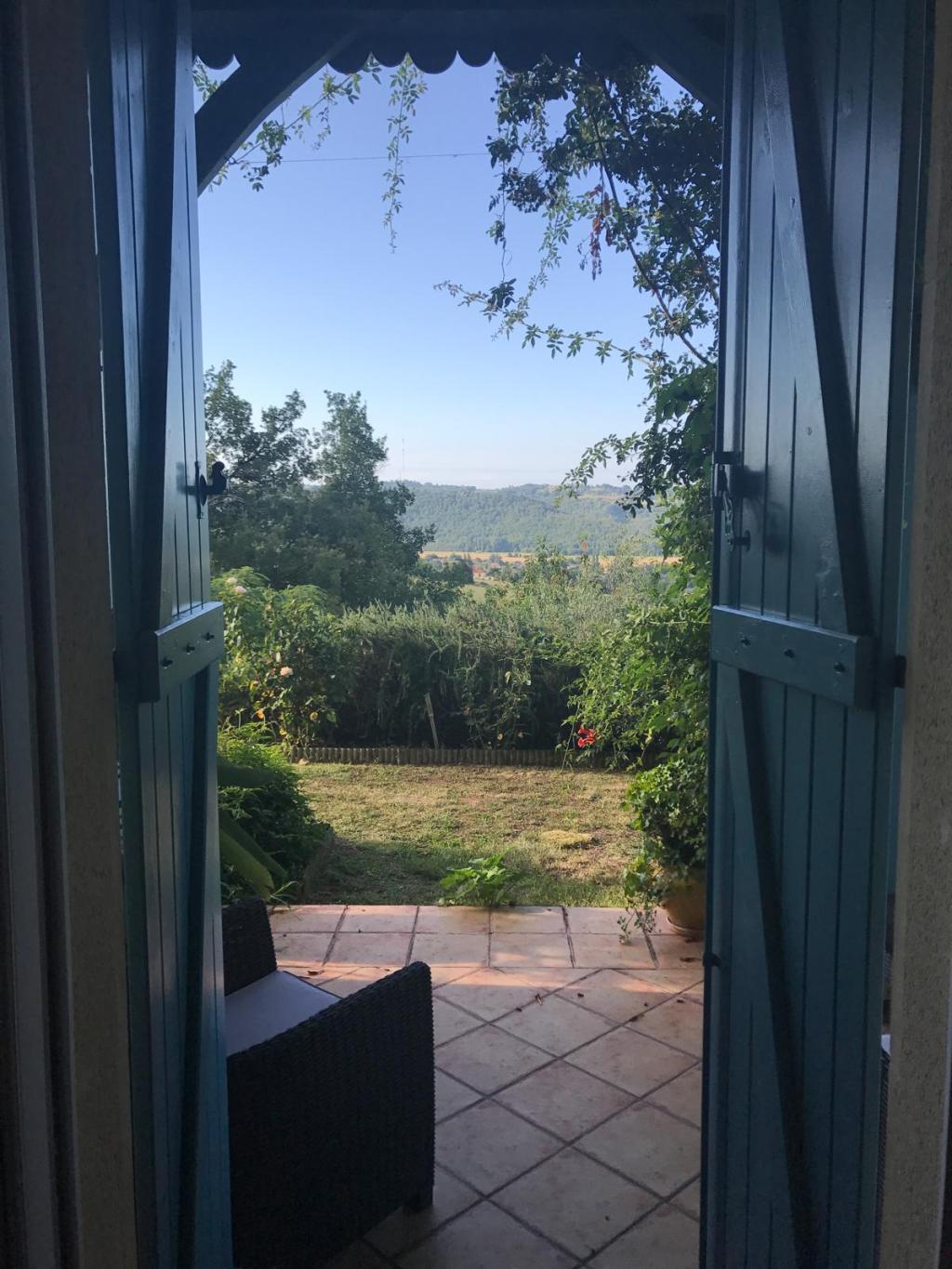
When your ‘2024 review’ is happening in February…
I’m holding 2024 performance reviews with my team this week. Anyone else feel like 2024 is an age away?
Internal HR processes mean these conversations often take place later than I’d like. Initially, this timing frustrated me – how can you meaningfully review a year that feels like ancient history?
But in preparation, I thought: Maybe this timing actually gives us a chance to see which achievements and lessons have staying power? Maybe I can make the most of this timing instead of fighting it?
The Sweet Spot of Delayed Reflection
Now we’re a few weeks into 2025, I’m wondering if this could be that sweet spot where you’ve got some perspective but the memories are still fresh.
There’s something valuable about reviewing performance when you can see which accomplishments have continued to influence how someone works and which challenges have led to genuine growth.
December reviews often capture immediate successes and recent frustrations. February reviews can reveal what actually mattered in the long term.
Rethinking Late Reviews as an Opportunity
Instead of rushing through standard performance review questions, delayed timing creates space for deeper reflection. We can explore:
- Which achievements from last year are still shaping current work?
- What initially seemed like setbacks but proved valuable with hindsight?
- Which relationships and habits have genuinely stuck?
This perspective isn’t available in traditional end-of-year conversations when you’re still too close to the immediate experience.
Questions That Bridge the Time Gap
To make the most of this timing, I planned some hopefully gently provocative questions to help us bridge the time gap and get conversations flowing.
I’ve asked my team to consider:
1. Lasting Impact of Achievements
Think about what you’re most proud of from last year – which of those achievements is making the biggest difference to how you’re working now? Has it changed how you’re tackling things this year?
This question moves beyond listing accomplishments to understanding their ongoing influence. It reveals which successes were genuinely transformative versus those that felt good in the moment but didn’t create lasting change.
2. Blessings in Disguise
I’m sure some stuff didn’t go to plan… With a bit of breathing space, can you spot anything that turned out to be a blessing in disguise?
Time creates clarity about setbacks. What felt devastating in the moment might have redirected someone toward better opportunities or taught essential skills. This question acknowledges that growth often comes from unexpected places.
3. Relationship Evolution
Thinking about who you worked with last year – who are you collaborating more with this year? What is it about those relationships that’s made them stick?
Strong working relationships reveal themselves over time. This question helps identify which professional connections have proven most valuable and why, offering insights for future relationship building.
4. Sustainable Habits
Looking at how you balanced everything in 2024 – what habits or routines have you found yourself keeping up with? Or maybe you’ve tweaked some things already this year?
This explores what actually works in practice versus what sounded good in theory. Real behaviour change becomes apparent over months, not weeks.
Building on the Foundation
When I shared these questions on LinkedIn, my friends Kat and Servane suggested brilliant additions:
Development with staying power:
- Was there any training, reading, or development you did last year that’s had a material impact on how you operate now? How does that inform what you’d like to develop this year?
Space for genuine reflection:
- What do you want to think about and what are your thoughts? (Promising not to interrupt or analyse or debate or answer…)
- After all these thoughts, what do you now most need and what would fulfil that need?
- What more do you think, or feel, or want to say?
These questions create space for people to process their own thoughts rather than immediately jumping to solutions or next steps.
The Art of Meaningful Delayed Conversations
The key to making late performance reviews valuable lies in embracing rather than apologising for the timing.
Instead of: “Sorry this is so late, let’s just get through this quickly.”
Try: “This timing gives us a unique perspective – we can see what really mattered and what has lasting impact.”
This reframe transforms a potential weakness into a strength and creates permission for deeper, more thoughtful conversation.
Practical Tips for Late Reviews
Acknowledge the time gap explicitly: Don’t pretend it hasn’t been weeks since the year ended. Use it as a conversational starting point.
Focus on patterns, not events: What themes emerged over time rather than specific incidents?
Connect past to present: How are last year’s experiences showing up in current work?
Create genuine space: Resist the urge to fill silence or immediately problem-solve. Let people think.
Questions for Your Own Practice
Whether your reviews happen in December or February:
- How could delayed timing actually serve deeper reflection?
- What questions would reveal the lasting impact of someone’s work?
- How do you create space for genuine thought rather than quick answers?
- What would embracing unconventional timing look like in your context?
I’d love to hear your thoughts on holding year-end conversations well into the new year. What keeps your conversations fresh? How do you keep year-end conversations meaningful when last year’s already in the rearview mirror?
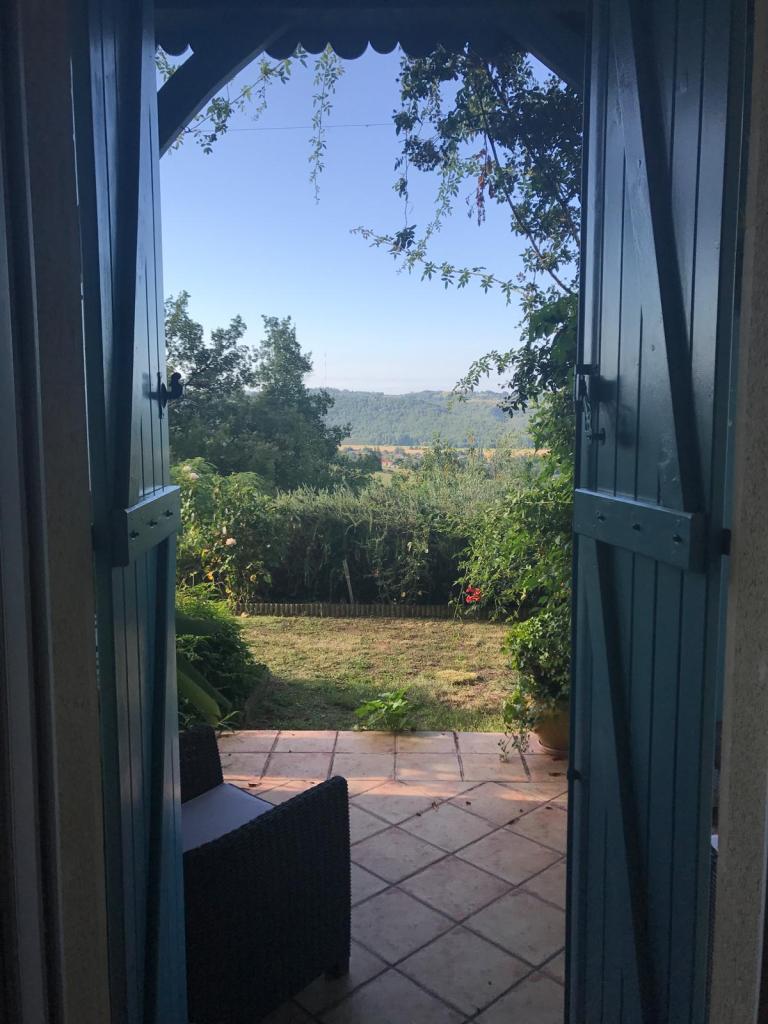
Picture looking back to a summer holiday in France – sometimes the best perspective comes from being far enough away to see the whole landscape clearly.




 Faye McDonough
Leave a comment