I’m preparing for a presentation this week. Two slides. That’s it. Yet I’m finding myself in that familiar territory of trying to strike the perfect balance between being prepared and not over-preparing myself into paralysis.
It should be straightforward, but anyone who’s faced a room of people waiting for you to deliver will know that “just two slides” can feel like the most important two slides of your career (although of course it isn’t).
I don’t wing it – that’s not my style – but I’ve found that there’s a fine line between helpful preparation and preparation that works against you.
Since being more visible, I’ve been invited to guest on podcasts and speak on panels. Each opportunity has taught me something new about the gap between wanting to perform well and actually doing it when the moment arrives.
What I’ve learned is that preparation can either be your best friend or your worst enemy – and I’ve experienced both sides
These are the mistakes I’ve made – shared in the hope that you can avoid them and feel more confident when your moment comes. I’m also hoping that writing them down stops me from making them again! I’m still very much working on this.
Let me start with what happens when you’re actually there, about to speak.
What Goes Wrong Before You Even Start Speaking
My First Sentence Wouldn’t Come Out
This is where my voice wobbles most.
What works better: Practise and memorise the first thing that you want to say whether that’s an introduction or key point. Having that first sentence locked in gives you the confidence to start, and once you’re speaking, the rest flows more naturally.
I Hadn’t Practised Out Loud
Mental rehearsal feels like preparation but it’s not the real deal – your mouth hasn’t actually practised forming the words and your brain hasn’t practised keeping up.
What works better: Don’t just write down your thoughts. Speak aloud – sat down, stood up – try different locations and film yourself. If you do film yourself, watch back. Essential. Having something to say is one thing. Actually practising saying it is another.
Memorising My Points Made Me Sound Like a Robot
When I memorise, I sound like a robot. My calm delivery style can lack passion.
What works better: Conversational is best for me and creates the most energy. The goal is to sound like you’re having a thoughtful conversation, not delivering a memorised speech.
Your reflection: How do you prefer to prepare for speaking – do you over-rehearse or under-prepare?
Rushing to Get My Words Out
Don’t rush! Rushing makes you sound nervous even when you’re not.
What works better: Work on being ok with silence. End your sentences cleanly (as I learned in The Bond). Silence feels uncomfortable to you, but it doesn’t feel uncomfortable to your audience. Slow down.
The speaking part is just one piece though. Most of my mistakes actually happen much earlier, when I’m preparing.
Where Preparation Goes Wrong
Over-Preparing with Too Many Stories and Statistics
Less is more – more leads to panic. Once I ended up with 11 different documents with multiple versions of the same stories, plus loads of statistics. This created choice paralysis during the actual panel.
What works better: Pick 2-3 core stories max and know them inside out. And if you use AI, use it carefully and strategically – AI can overwhelm you with information. Use it to enhance your note-making rather than doing the work for you. Your words need to be yours to remember them.
Writing Answers That Are Too Polished and LinkedIn-Post Perfect
Some of my prepared responses read like they’re written for publication rather than conversation.
What works better: Panel discussions need to feel spontaneous and conversational, not like you’re delivering a prepared speech. Your written voice and your speaking voice are different things. Keep your prepared structure light and flexible.
Your reflection: How do you balance between preparation and spontaneity in your own presentations?
Getting Lost in Frameworks Instead of Focusing on Personal Experience
Once I researched loads of frameworks and didn’t use a single one!
What works better: While helpful for context, panels work best when you share authentic personal experiences rather than reciting frameworks. People connect with stories, not theories. Reflect on the stories you could share that would have the most impact.
Preparing for Every Possible Question Instead of Mastering a Few Key Messages
I prepared detailed responses for 6 different questions.
What works better: Having key messages gives you flexibility rather than rigid scripts. You can bridge from any question back to what you really want to say.I would have been better off having 2-3 key messages I could weave into any question. This could also have been two statements such as “people before technology” or “change isn’t the problem, how we approach it is.”
Sometimes even when you think you’ve got your preparation right, there’s still more that can go wrong on the day.
When Perfect Planning Backfires
Including Too Many Numbers and Percentages
Having multiple statistics (50% cost reduction, 38% ongoing reduction, 42% more likely, etc.) makes you sound like you’re reading from a report rather than sharing experiences.
What works better: Choose one powerful statistic and use it well, rather than overwhelming with data.
Not Preparing for Pivoting When Questions Don’t Match Your Prep
All this detailed preparation assumes the questions will be exactly as written. Real panels often go off-script.
What works better: Rehearse bridging phrases like “That reminds me of when…” to get back to your core stories. This flexibility actually reduces anxiety rather than increasing it because you know you can handle the unexpected.
The Three Things That Actually Matter
Three themes have emerged from getting this wrong:
1. Less is More – Over-preparation creates panic and choice paralysis. When you have too many options prepared, you spend precious mental energy during the presentation trying to choose rather than focusing on connecting with your audience.
2. Authentic over Perfect – Conversational beats polished and personal stories trump frameworks. People want to hear from you, not from a textbook version of you.
3. Practise the Delivery, Not Just the Content – Speaking aloud, managing nerves, and staying flexible matter more than perfect answers. The most brilliant content in the world doesn’t help if you can’t deliver it naturally.
This applies beyond panels too – whether it’s investor presentations, team meetings, or those important conversations that feel like they carry extra weight.
Your reflection: Which of these mistakes resonates most with your own approach to presentations or important conversations?
Questions for Your Own Reflection
- Which of these preparation mistakes do you recognise in your own approach?
- How do you balance being prepared with staying conversational?
- What’s your biggest fear about speaking in professional settings?
- How do you work on managing nerves before important conversations?
- What would “authentic over perfect” look like in your next presentation?
What’s your approach to preparing for panels, presentations, or important meetings? Which of these lessons would make the biggest difference to your confidence?
I’m still learning how to get this balance right – especially with presentations that feel particularly important. If you’ve found approaches that work for you, I’d love to hear about them.
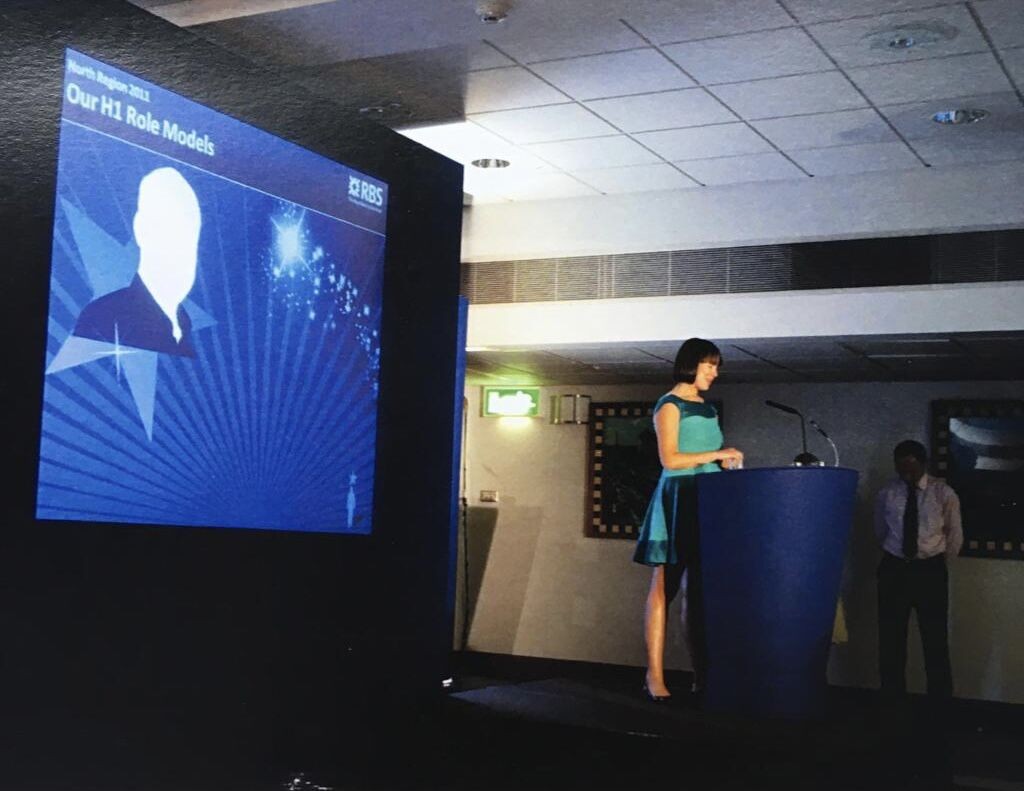
Picture from the first of many presentations in front of my team in 2011 – I’ve learned a lot about what works (and what doesn’t) since then!





 Faye McDonough
Leave a comment